How Michigan Heat Waves Can Impact Your Air Conditioning System
Michigan summers are no longer the mild, breezy seasons of decades past. Heat waves — defined as three or more consecutive days above 90°F — are becoming more frequent across the state, and Rochester Hills is no exception. While most homeowners think of their AC as something that simply turns on and off, prolonged extreme heat puts your system under a level of stress it was never designed to sustain indefinitely. Understanding how heat waves affect your air conditioner can help you protect your equipment, avoid costly breakdowns, and keep your family comfortable when it matters most.
Your AC Works Harder — and Longer
Air conditioners are sized to handle average peak temperatures in a given region. During a heat wave, outdoor temperatures push well beyond that design threshold, forcing your system to run almost continuously just to maintain indoor comfort. This non-stop operation accelerates wear on every component — from the compressor and capacitors to the fan motor and refrigerant lines. A system that normally cycles on and off throughout the day may run for hours without a break, dramatically shortening the lifespan of its parts if it isn't properly maintained.
Compressor Overheating Is a Real Risk
The compressor is the heart of your air conditioning system, and it is also the most vulnerable component during a heat wave. When outdoor temperatures soar, the compressor has to work much harder to expel heat from your home, causing its internal temperature to spike. Most units have built-in thermal overload protectors that will shut the system down before permanent damage occurs — but repeated shutdowns are a warning sign, not a solution. If your AC is tripping its overload switch during hot stretches, it likely needs professional attention before the compressor fails entirely, which is one of the most expensive repairs in HVAC service.
Refrigerant Pressure Fluctuations
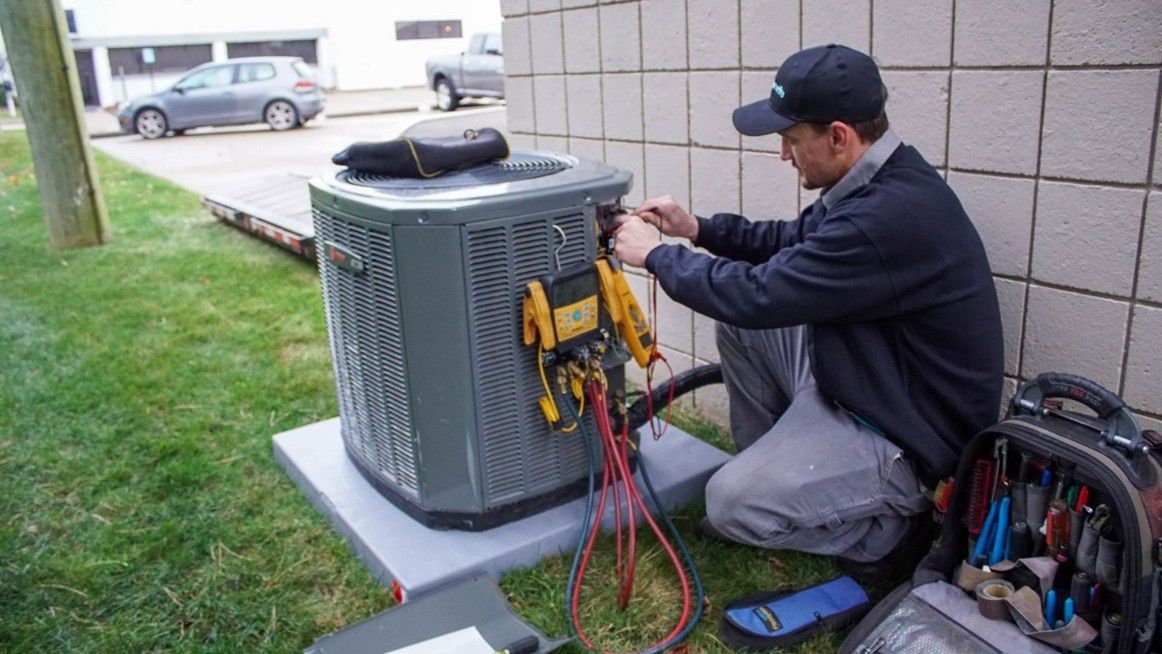
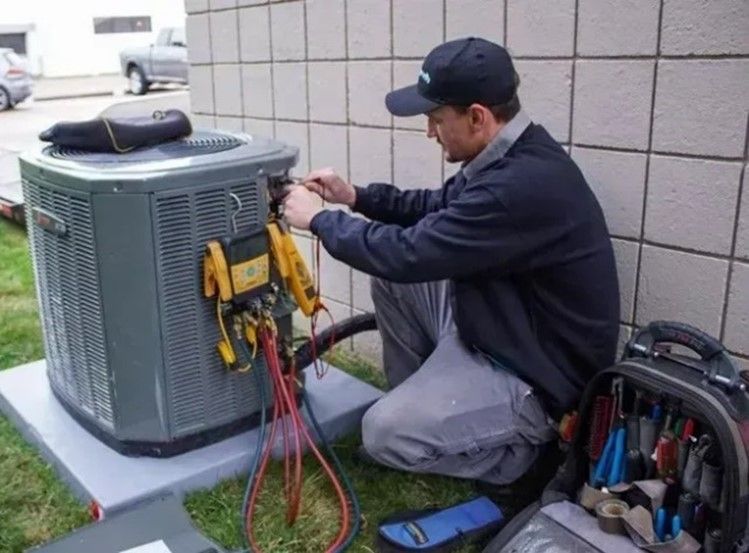
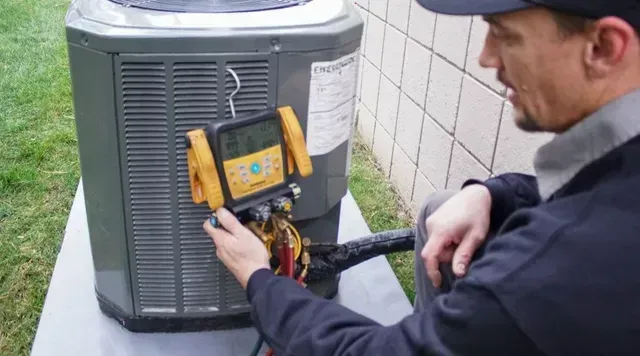
Refrigerant operates within a precise pressure range to absorb and release heat effectively. During extreme heat, high-side pressure in the refrigerant circuit rises significantly, pushing the system outside its optimal operating window. If your system already has a minor refrigerant leak or is slightly undercharged, a heat wave will expose that weakness quickly — often resulting in ice forming on the evaporator coil, warm air blowing from vents, or the system shutting down unexpectedly. Low refrigerant is never a DIY fix; it requires a certified technician to diagnose and repair.
Capacitor and Electrical Component Failures Spike
Heat is the enemy of electrical components. Capacitors — which help start and run your AC motors — are particularly susceptible to failure when ambient temperatures are high and the system is running constantly. HVAC technicians across Michigan see a sharp increase in capacitor failures during heat waves for exactly this reason. Signs that a capacitor may be failing include:
- The AC takes longer than usual to start
- A humming sound from the outdoor unit with no fan movement
- The system shuts off on its own after running briefly
Capacitors are relatively inexpensive to replace, but a failed capacitor left unaddressed can take out a motor — turning a minor repair into a major one.
Dirty Coils Make Everything Worse
Even under normal conditions, dirty evaporator or condenser coils reduce your system's ability to transfer heat efficiently. During a heat wave, that inefficiency becomes critical. Coils coated in dust, dirt, or grime can't release heat fast enough, pushing operating pressures to dangerous levels and making your compressor work even harder. Annual coil cleaning is one of the most impactful maintenance tasks you can perform — and one of the most commonly skipped. If your system hasn't had a professional cleaning in over a year, it is going into the summer already compromised.
What You Can Do Right Now
You don't have to wait for a breakdown to take action. These steps can reduce strain on your system during extreme heat:
- Set your thermostat to 78°F or higher when away from home to reduce runtime
- Use ceiling fans to improve circulation and allow for a higher thermostat setting
- Keep blinds and curtains closed on south- and west-facing windows during peak afternoon heat
- Replace your air filter if it hasn't been changed in the past 30–60 days
- Ensure the outdoor unit has at least two feet of clearance on all sides
When to Call a Professional
If your system is struggling to keep up, making unusual noises, cycling on and off rapidly, or simply not cooling the way it should, don't wait it out and hope for cooler weather. Heat waves put maximum stress on aging or under-maintained equipment, and small problems escalate fast. McQuade Heating & Cooling Plumbing & Refrigeration provides expert
Air Conditioning Repair in Rochester Hills, MI — delivering fast diagnostics and dependable AC Repair in Rochester Hills, MI so your home stays cool no matter what the Michigan summer throws at it. Contact us before the next heat wave hits, and let our team make sure your system is ready.